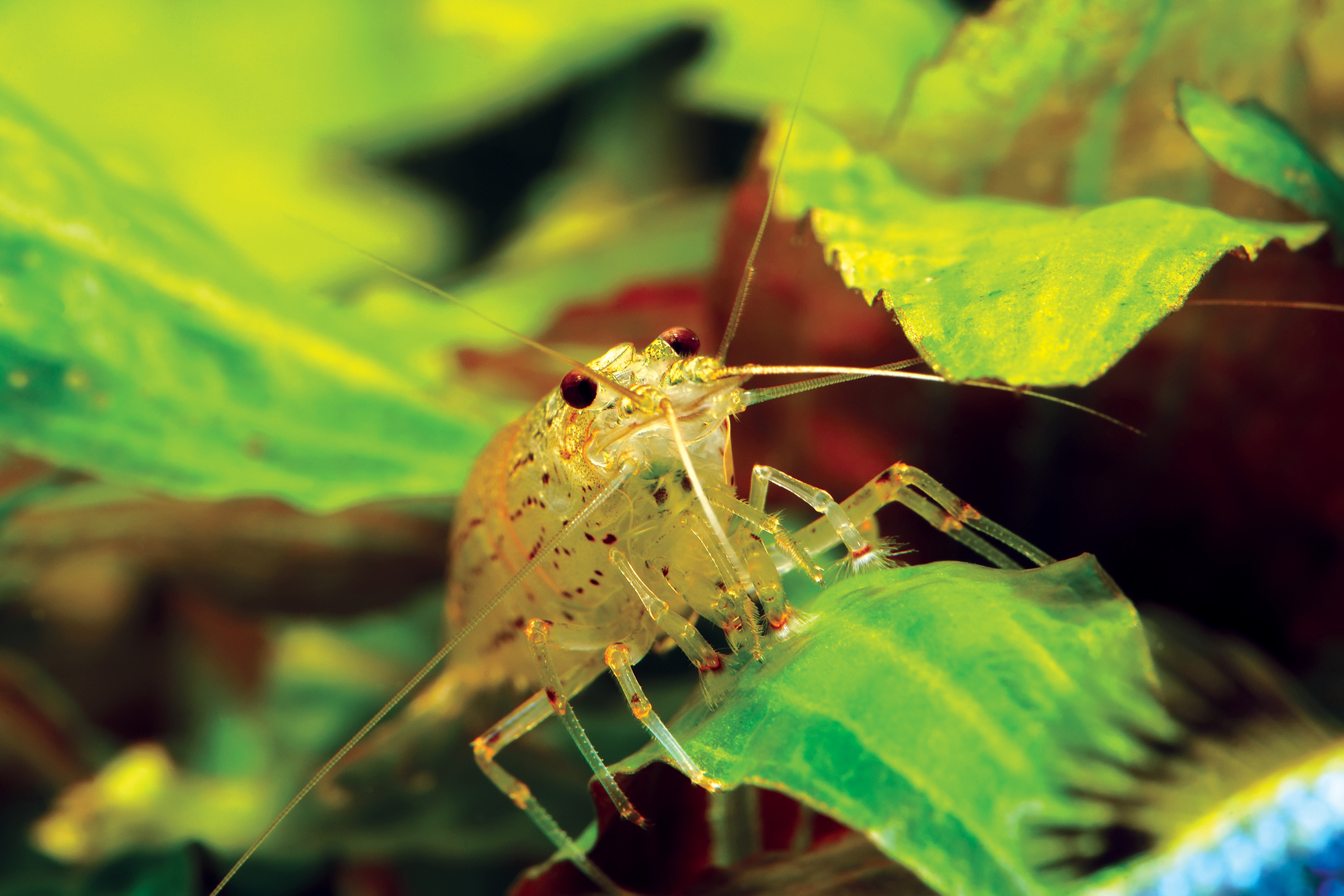
Shrimp and prawns are similar in appearance and that’s the reason why the name prawn is used to mean large shrimp.
In the late 1980s India began shrimp aquaculture. The states responsible for this cruelty are West Bengal, Orissa, Andhra Pradesh, Tamil Nadu, Pondicherry, Kerala, Karnataka, Goa, Maharashtra and Gujarat.
First there was the Black Tiger Shrimp which lost ground after 2010 as recurring outbreaks of white spot syndrome virus which led to import restrictions in key markets including the US, EU and Japan. In 2025-26 after more than a decade, this species of shrimp restarted picking up exports.
The Vannamei species from Taiwan had been introduced in 2001, but its commercial farming was legally sanctioned in 2009, and since then it has spread rapidly.
The super intensive precision shrimp farming technology developed by ICAR-CIBA (Indian Council of Agricultural Research together with the Central Institute of Brackishwater Aquaculture) in 2024 does not care for the shrimp at all. It only aims to reduce costs and produce many more tonnes of shrimp.
One-sixth of the world's shrimp output is from India with a one-fifth share in international trade. Seventy per cent of India’s total sea food exports to USA, EU and China consist of shrimp.
India exported 1,97,2018 tonnes of seafood worth Rs 73,890.46 crore during FY26 and frozen shrimp remained the dominant category generating Rs 49,037.93 crore of blood money.
Ethically Wrong
For shrimp, farming or aquaculture involves several cruel practices: breeding, rearing and killing.
For humans it involves labour exploitation: children forced to over-work, debt bondage, physical harm, sexual harassment, dangerous conditions like lack of protective gear and minimum wages.
For the environment it involves: destruction of vital mangrove forests, the conversion of agricultural land in coastal areas, discharge of untreated water containing organic waste, chemicals and antibiotics.
Torture, Fear, Pain
To get higher yield from less space, shrimp are raised in small, overcrowded ponds which are prone to the rapid spread of diseases like the White Spot Syndrome virus. Suffering leading to death (50% before slaughter) are common.
Female breeding shrimp routinely undergo eyestalk ablation for which one or both eyestalks are cut, pinched, or burned off resulting in excruciating pain, trauma and stress. This is done to unnaturally accelerate reproduction and increase egg production.
If hormones like serotonin are injected instead, who knows how harmful the shrimp are for humans who eat them.
In any case, eating shrimp has caused fatal allergies, and can be harmful due to environmental contaminants like heavy metals and microplastics. Frequent improper handling leads to bacteria.
Last, but not least, shrimp are boiled alive; and could even be forcefully intoxicated with liquor before being cooked.
Shrimp, like prawns, are crustaceans and are sentient beings, not meant to be mercilessly bred, tortured and murdered for food. The Journal of Experimental Biology has published evidence that scientists from Queen’s University, Belfast, UK, have stated that crustaceans feel pain and that the food and aquaculture industry should start to think about their welfare. Other researchers have also found that shrimp can feel conscious pain and fear, and their reactions are not a mere reflex.
We, who do not eat shrimp for religious or ethical reasons, can help spread the message among those who do. Torture, fear and pain inflicted on any creature result in it imbibing negative energy, more so at the moment of death which in turn gets transferred to those who eat its flesh.
|